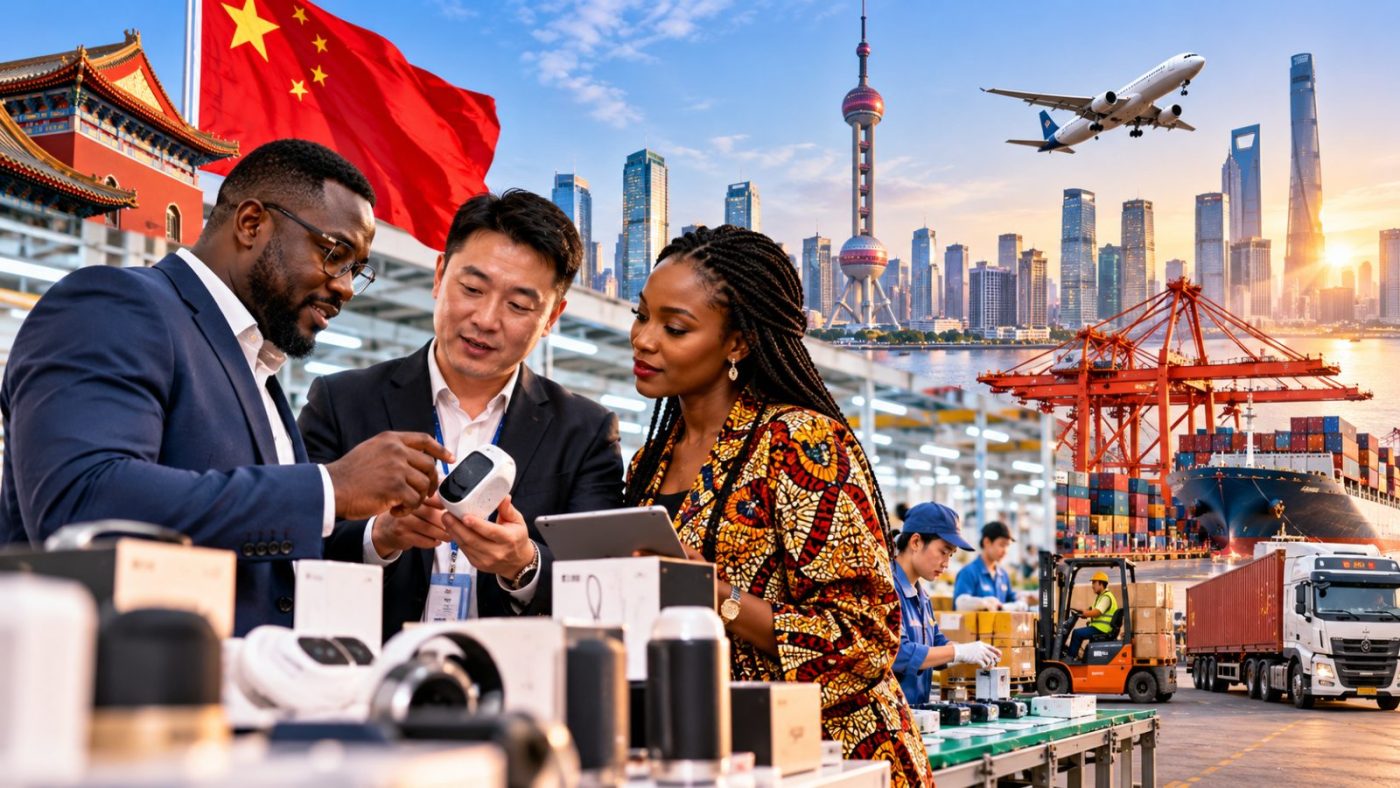
China is often presented to African entrepreneurs as simply the place where you buy cheap products and ship them home.
That view is becoming too limited.
China is not only a manufacturing destination. It is also a huge ecosystem for sourcing, private-label manufacturing, e-commerce, logistics, technology, equipment and business services.
And the opportunity is becoming more interesting for African businesses.
China announced that from May 1, 2026, it would implement zero-tariff treatment on all tariff lines for products from the 53 African countries with which it has diplomatic relations. The policy is intended to increase access for African products to the Chinese market.
At the same time, China continues to expand cooperation with African SMEs in e-commerce, digital trade and industrial value chains.
So what can an African entrepreneur actually do?
Here are seven practical models.
1. Become a China sourcing agent
You don't necessarily need to import products yourself.
You can help African businesses find Chinese suppliers.
Imagine a construction company in Cameroon needs:
tiles;
lighting;
sanitary equipment;
machinery;
doors;
furniture.
The company may know what it wants but have no idea how to find reliable manufacturers.
That's where a sourcing business can come in.
Your role
You could:
Understand what the client needs.
Find potential manufacturers.
Compare quotations.
Verify suppliers.
Request samples.
Negotiate.
Organize quality inspection.
Coordinate shipping.
You charge a sourcing fee or commission.
Why this model is interesting
You don't necessarily need a large warehouse.
Your main assets are:
supplier network + market knowledge + communication + trust.
For an entrepreneur who already understands a particular African market, this can be more attractive than simply buying products and hoping they sell.
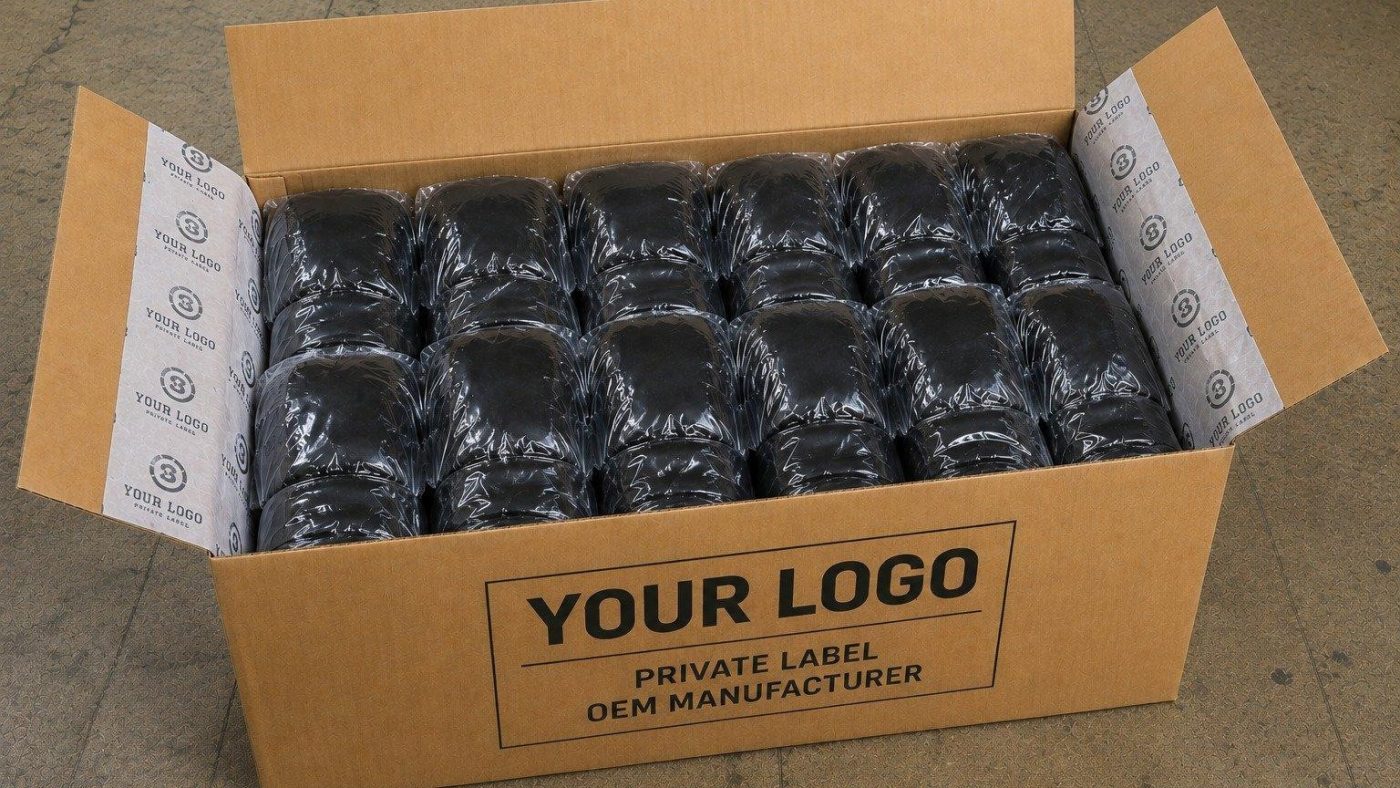
2. Build an African private-label brand
China doesn't have to be your brand.
It can be your manufacturing partner.
Instead of importing generic products and selling them exactly as they arrive, you can work with a manufacturer to create products under your own brand.
For example:
Generic product → customized packaging → your brand → African distribution
Possible categories include:
phone accessories;
household products;
beauty accessories;
small electronics;
office products;
fashion accessories;
fitness products.
The important part is to avoid ordering thousands of units before you understand your market.
Start with:
sample → small batch → test → feedback → larger order.
China's cross-border e-commerce ecosystem is increasingly encouraging businesses to develop their own brands and intellectual-property assets rather than relying exclusively on generic products.
3. Import equipment instead of consumer products
This is one opportunity many beginners overlook.
Everyone thinks:
"What product can I sell?"
A better question can be:
"What equipment do businesses in my country struggle to obtain affordably?"
Examples could include equipment for:
agriculture;
construction;
food processing;
packaging;
solar installation;
water treatment;
small manufacturing;
restaurants.
Instead of selling a $10 consumer product to hundreds of people, you could potentially sell a piece of equipment to a business and provide installation, maintenance and spare parts.
That creates a much deeper business relationship.
4. Create a China-to-Africa e-commerce business
You don't necessarily need a physical store.
You could build an online store around a carefully selected category.
For example:
Chinese supplier → your online store → African customer → local delivery
But don't make the mistake of creating a store with 5,000 random products.
Choose one category.
For example:
"Affordable professional equipment for African beauty salons."
Or:
"Smart accessories for African small businesses."
Or:
"Solar and backup-power accessories."
The narrower the initial market, the easier it becomes to understand your customer.
China's cross-border e-commerce sector reached 2.84 trillion yuan in imports and exports in 2025, illustrating the scale of the ecosystem behind this model.
5. Export African products to China
This is where the opportunity becomes more interesting.
Most people think:
China → Africa
But there is another direction:
Africa → China
China's government says its 2026 zero-tariff policy for eligible African countries is intended to improve access for African products. Chinese customs data also showed strong growth in imports from Africa during 2026.
Potential categories can include agricultural and food products, depending on the destination market, regulations and product standards.
But exporting to China isn't simply:
"I have mangoes, therefore China will buy them."
You need to investigate:
Chinese demand;
quality requirements;
packaging;
certifications;
food safety;
logistics;
shelf life;
import procedures;
reliable buyers.
The opportunity is real, but compliance is part of the business model.
6. Sell China business services to African companies
This opportunity requires almost no inventory.
African companies doing business with Chinese suppliers frequently need help with:
translation;
supplier communication;
product research;
factory verification;
quality control;
shipping coordination;
negotiation;
documentation.
A bilingual entrepreneur can therefore build a service business around the China-Africa trade corridor.
This is particularly interesting because Chinese institutions themselves are expanding e-commerce and SME training programs aimed at African businesses.
7. Build a China-focused digital business
You don't even have to live in China.
You could create digital content around:
Chinese suppliers;
manufacturing;
importing;
product research;
China business travel;
factory sourcing;
e-commerce;
Chinese technology;
logistics.
For example:
YouTube channel + newsletter + consulting + sourcing service
can become a complete business ecosystem.
Instead of making money from one transaction, you can build an audience and monetize several services around it.
Which opportunity should you start with?
Don't choose based on which one sounds the most profitable.
Choose based on your existing resources.
If you have... | Consider... |
|---|---|
Little capital | Sourcing services |
Strong local network | Import/distribution |
Marketing skills | Private-label brand |
Technical knowledge | Equipment |
E-commerce experience | Online store |
Access to African products | Export to China |
Communication skills | China business services |
The biggest mistake to avoid
Don't travel to China first and then ask:
"What should I buy?"
Do the opposite.
Start with your market.
Step 1
Find a problem.
Step 2
Find customers.
Step 3
Determine what they currently pay.
Step 4
Find Chinese suppliers.
Step 5
Calculate the complete landed cost.
Step 6
Test the product.
Step 7
Scale only after validation.
That sequence can save an entrepreneur from an expensive trip to China followed by a warehouse full of products nobody wants.
Final thoughts
China can be an important business partner for African entrepreneurs, but the opportunity is much larger than simply buying cheap products and reselling them.
The more valuable businesses often sit between:
China's manufacturing capabilities
and
Africa's local market knowledge.
The entrepreneur who can connect those two worlds can create something much more defensible than a simple import business.