Money can buy almost anything.
A private jet.
A mansion.
A yacht.
A fleet of luxury cars.
But for the world's most recognizable people, there is one thing money cannot completely guarantee:
being left alone.
The more famous, wealthy or politically powerful someone becomes, the more complicated personal security can become.
For some people, protection means a single bodyguard.
For others, it can involve armed teams, secure vehicles, advance teams, private aircraft, intelligence specialists, residential security, police coordination and carefully controlled travel.
And sometimes, the biggest security operation is the one you never notice.
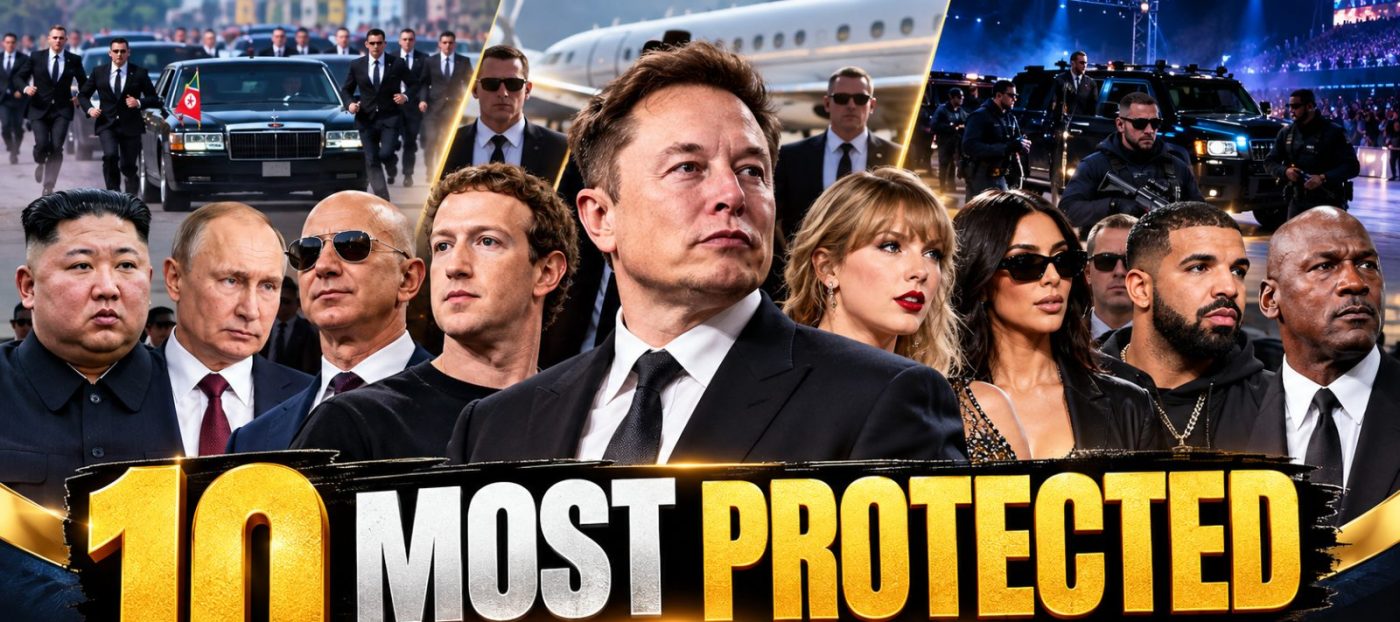
The following ten cases show just how different executive and celebrity protection can look at the highest levels.
Disclaimer: This article is based on one of the most famost youtube video and publicly available reporting, corporate filings and other published sources. There is no official global ranking of the world's most protected people, so the 10 profiles below should be understood as a curated editorial list rather than a definitive ranking. Security arrangements and costs can change over time, and many details are intentionally kept confidential.
10. Michael Jordan — When the Bodyguard Became Family
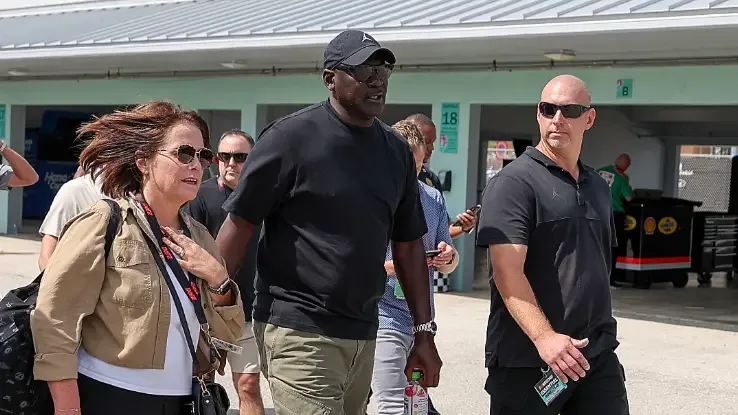
Few athletes in history have experienced global fame on the scale of Michael Jordan.
During his Chicago Bulls years, security was a constant part of his life.
One of the most important people in Jordan's security team was Gus Lett, a former Chicago police officer.
After the murder of Jordan's father, James Jordan, in 1993, Lett became much more than a security professional.
Jordan described him as a protector and a father figure. The relationship was highlighted in The Last Dance, which showed how closely Lett remained connected to Jordan during the final years of his NBA career.
The security operation surrounding Jordan also had to deal with a unique logistical problem.
He wasn't staying in one location.
An NBA season meant traveling constantly:
Arena → hotel → airport → another city → another arena.
Every location created a new security challenge.
The transcript describes a system involving Jordan's security personnel, the team and local authorities.
But Jordan's story demonstrates something important:
High-level security isn't always about creating distance from the person being protected.
Sometimes, it is about building enough trust that the protector becomes part of the person's inner circle.
9. Drake — Protecting a Home Everyone Knows
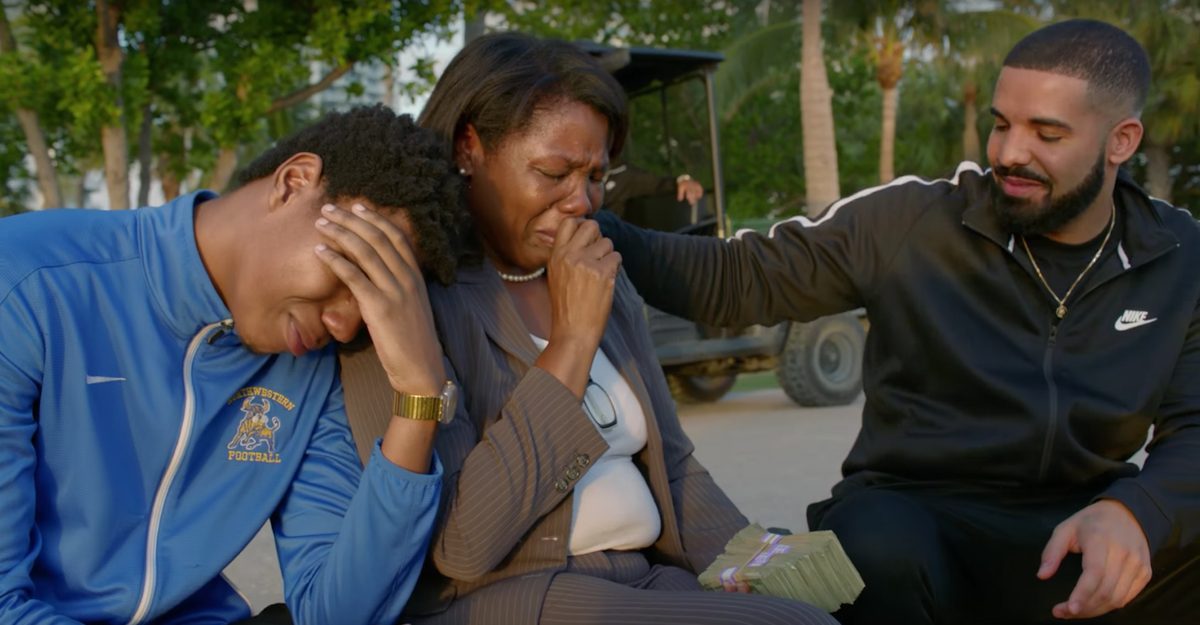
Drake presents a different security problem.
His Toronto residence became one of the most recognizable celebrity properties in the world.
The house itself became part of his public image, creating an unusual contradiction:
A home designed for privacy became globally recognizable.
According to the transcript, Drake's security operation has included teams that prepare locations before his arrival, transportation security and personnel around his residence.
Then came a serious reminder of the risks involved.
In May 2024, a security guard stationed outside Drake's Toronto mansion was seriously wounded in a shooting. Reuters reported that the shooting occurred around 2 a.m. and that the shooter fled by vehicle.
The incident demonstrated a crucial point:
Even security personnel themselves can become targets.
The transcript cites estimates of more than $1.5 million annually for residential security and more than $3 million when transportation and other protection requirements are included.
The exact current total is not publicly established, however.
8. Taylor Swift — When Celebrity Security Becomes a National Operation
Taylor Swift's security requirements are different again.
Her fame means that security isn't limited to protecting one person.
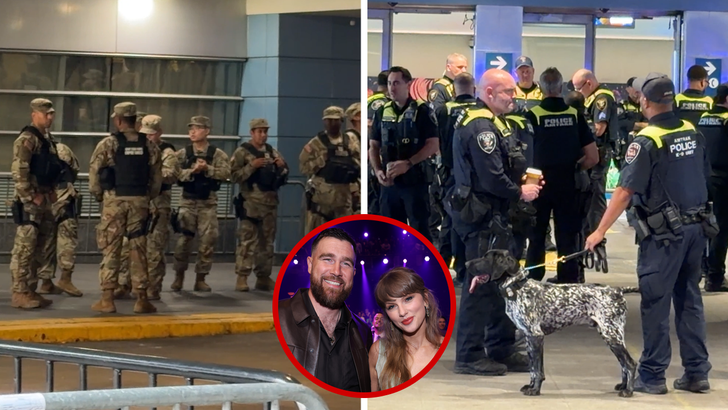
It can involve entire venues, hotels, transportation routes, police departments and thousands of concertgoers.
The clearest example came in Vienna in August 2024.
Three Taylor Swift concerts were cancelled after authorities uncovered a planned attack targeting the events. Reuters reported that the concerts were expected to draw up to 65,000 people each, plus thousands more outside the stadium.
When Swift subsequently returned to perform in London, security around Wembley was visibly heightened.
The transcript also describes how security teams can operate far beyond the obvious bodyguard standing beside the artist: hotel checks, route planning, venue security, escorts and coordination with police.
At this level, security isn't simply:
"Protect the celebrity."
It becomes:
"Protect the entire environment around the celebrity."
7. Kim Kardashian — The Robbery That Changed Everything
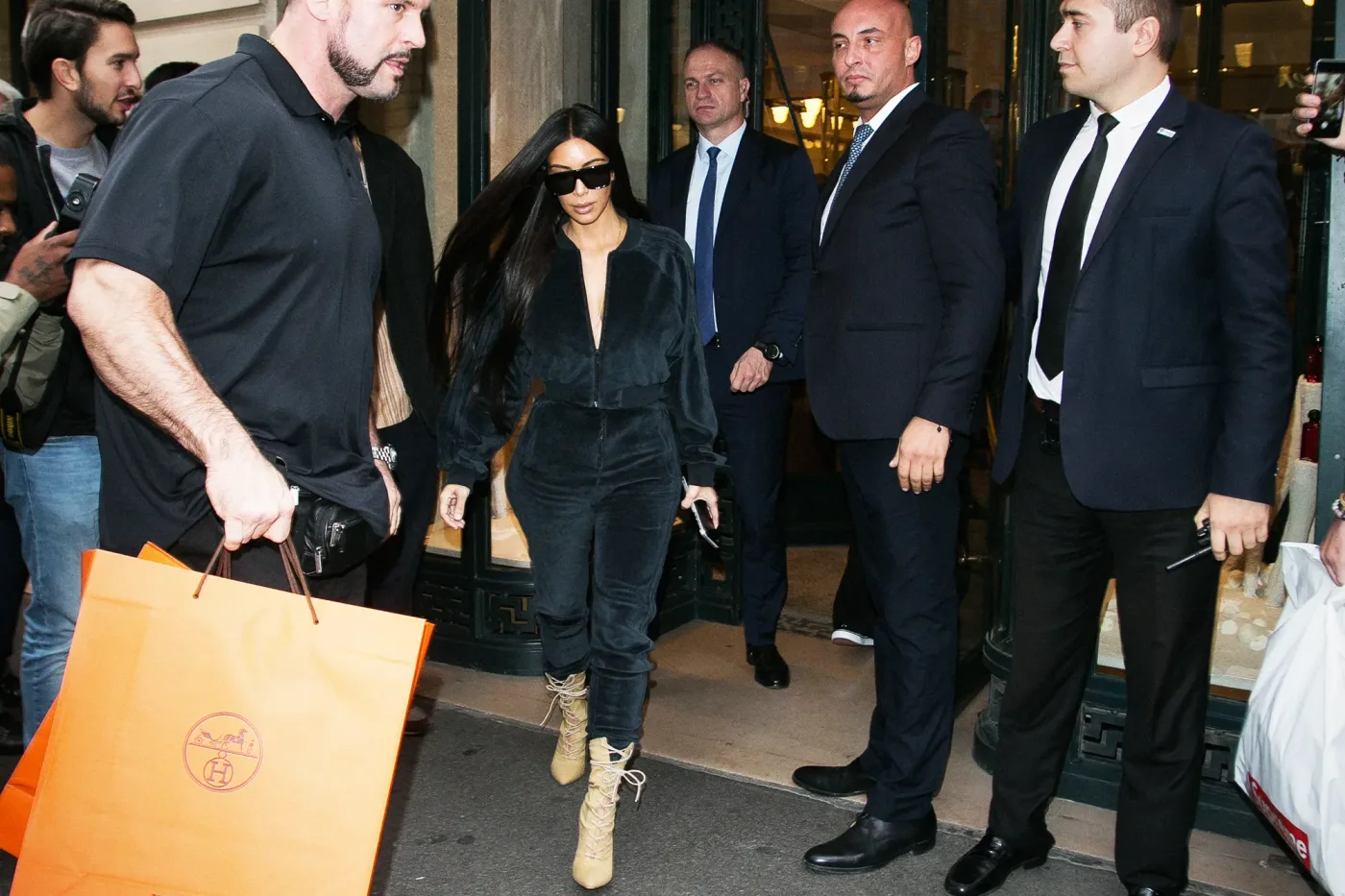
Kim Kardashian's security story illustrates another reality:
Security systems often become dramatically different after an attack.
In October 2016, Kardashian was robbed at gunpoint in Paris during Fashion Week.
The incident involved millions of dollars worth of jewelry and became one of the most widely reported celebrity robberies of the decade. She later testified about the fear she experienced during the attack.
The consequences were significant.
In 2025, while testifying during the Paris robbery trial, Kardashian said that the incident had changed how safe she felt at home and that she now had multiple security personnel around her residence.
The transcript explains that following the robbery, her security arrangements were rebuilt around continuous protection, including personnel responsible for residences, hotels and travel.
The lesson is straightforward:
One security failure can completely change the way a celebrity approaches personal protection.
6. Roman Abramovich — A Billionaire's Security at Sea
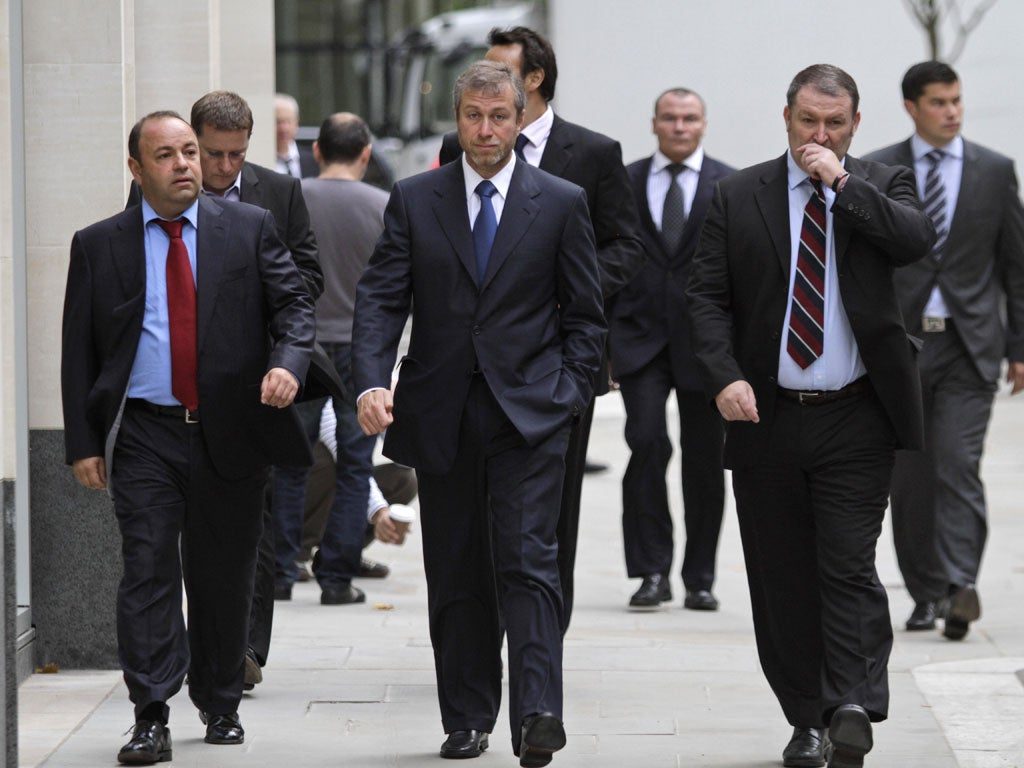
Roman Abramovich's case takes executive protection somewhere unusual:
onto a superyacht.
His yacht, Eclipse, has long been associated with Abramovich and became particularly significant after sanctions were imposed on him following Russia's invasion of Ukraine.
The vessel is enormous, with publicly reported security and luxury systems far beyond those found on ordinary private yachts.
The transcript describes reported protection involving former military personnel and a large security team, along with sophisticated security technology aboard the vessel.
Public documentation also confirms the yacht's enormous value. OCCRP's Russian Asset Tracker lists Eclipse at an estimated value exceeding $1.3 billion and identifies it as widely reported to be associated with Abramovich.
At this level, the yacht itself can become part of the security infrastructure.
It's not simply transportation.
It's effectively a mobile private environment.
5. Jeff Bezos — When Security Goes Beyond Bodyguards
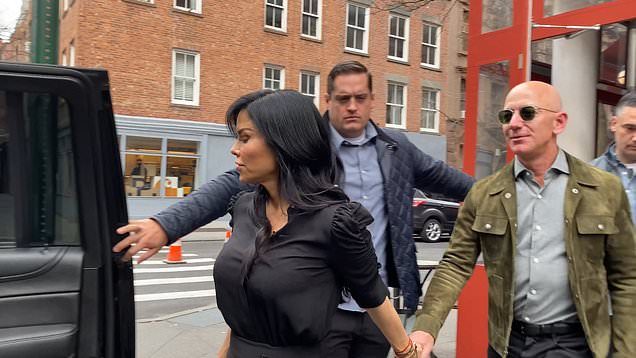
Jeff Bezos demonstrates how modern executive protection has evolved.
You might expect billionaire security to mean men in suits standing outside a mansion.
But high-level executive protection can also involve:
intelligence analysis
travel security
residential security
threat assessment
secure transportation
digital security
specialized personnel
Amazon's corporate filings provide something rare: an actual figure.
For 2024, Amazon reported approximately $1.6 million in security-related costs for Bezos, separate from security provided at Amazon facilities and during business travel.
Amazon's filing explicitly states that the company considers these security costs reasonable and necessary for the company's benefit.
The transcript also discusses Bezos's security organization and the involvement of former intelligence and protective-service personnel.
That is an important evolution.
For someone at this level, protection isn't only about what happens outside the door.
It can also involve what happens on the phone, online and inside the information environment.
4. Elon Musk — Security for One of the World's Most Visible Billionaires
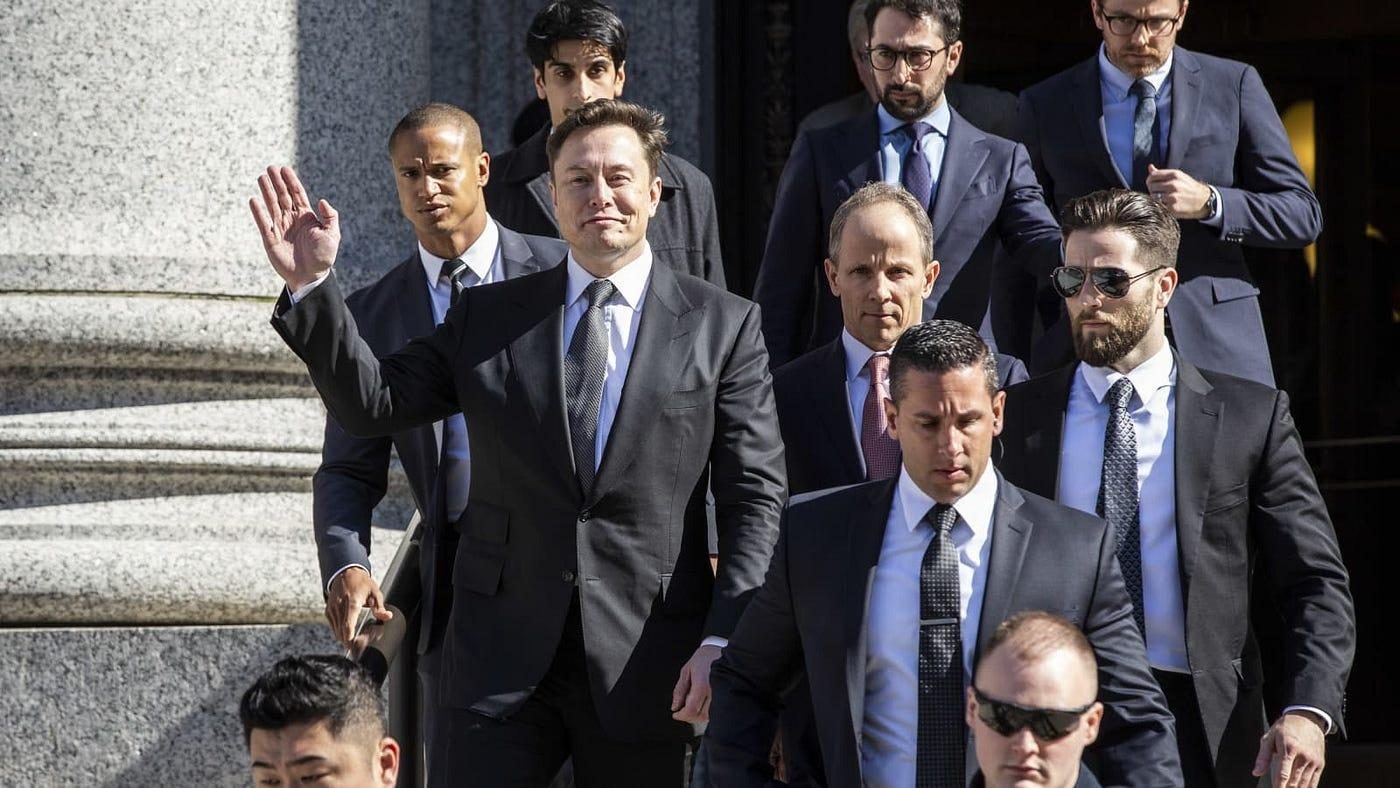
Elon Musk's security situation is particularly unusual because his public profile extends across technology, business, social media and politics.
The transcript describes a security operation involving multiple personnel, including people with military and specialized backgrounds, and extensive advance planning around public appearances.
But one of the transcript's biggest numbers needs an important correction.
It claims more than $225 million in Tesla-related security spending.
Tesla's own SEC filings do not support that figure as Musk's disclosed security expense.
Tesla reported approximately $4.8 million in 2025 for services from a security company owned by Musk, plus approximately $1.3 million through February 2026 in the subsequent filing period. Tesla explicitly says those figures represent only a portion of the total cost of security services concerning Musk.
That distinction matters.
The real story is already extraordinary without an inflated number.
Musk's protection has included a dedicated security company, multiple personnel and extensive measures around public appearances. The Financial Times has also reported that Musk's protection operation has involved as many as 20 guards.
For someone whose movements, companies and public statements attract enormous attention, the security challenge is multidimensional.
3. Mark Zuckerberg — A Security Budget Measured in Tens of Millions
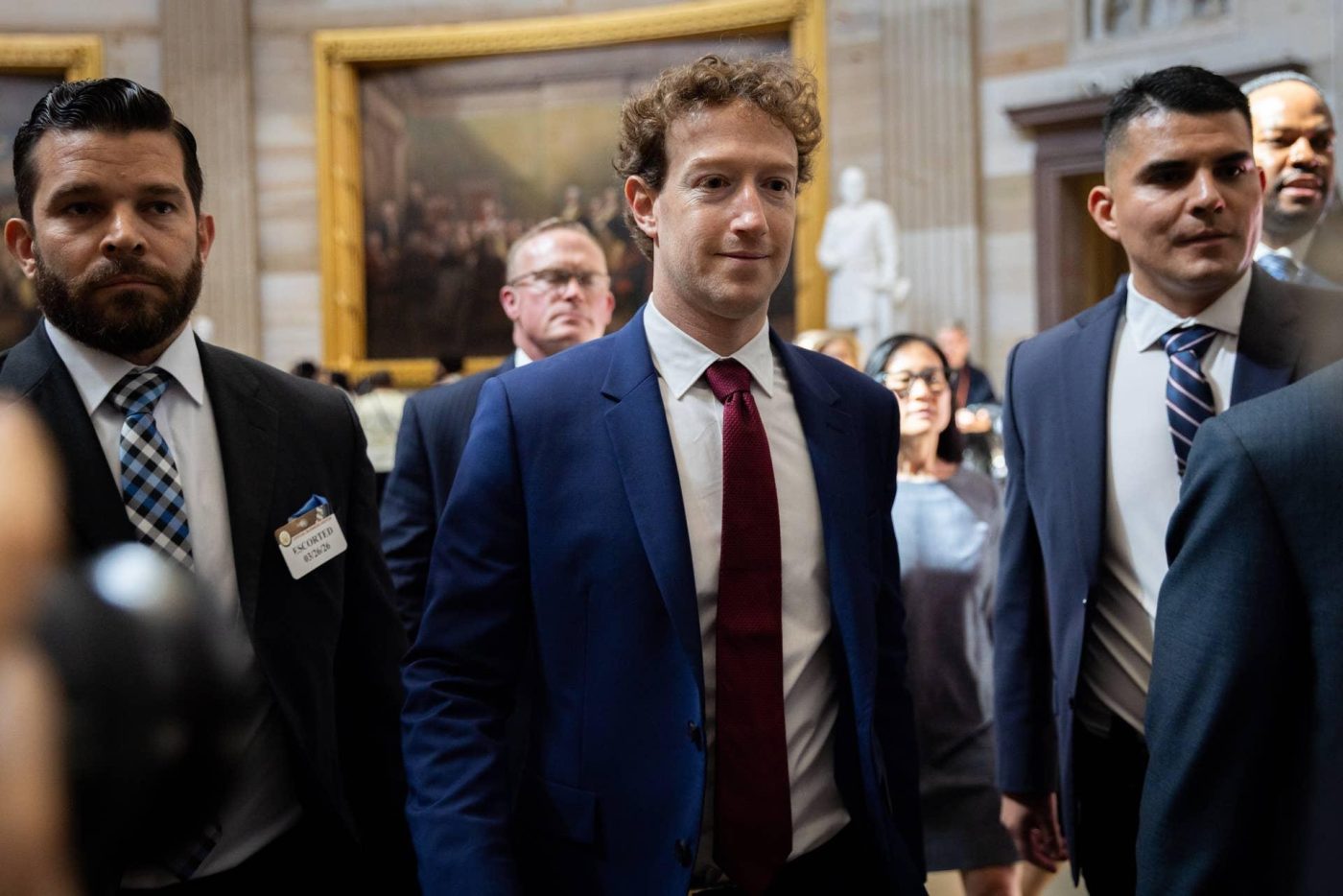
Mark Zuckerberg provides one of the clearest examples of corporate-funded executive protection.
Meta explicitly states in its SEC filings that Zuckerberg faces specific security threats because of his role as founder, CEO, chairman and controlling shareholder.
The company operates an "overall security program" covering his residences and personal travel.
And the numbers are remarkable.
For 2024, Meta reported approximately:
$27.22 million
in "All Other Compensation" for Zuckerberg, with the filing explaining that this included security-related expenses, the $14 million annual security allowance, personal aircraft costs and certain facility improvements.
Meta's 2026 proxy also reports approximately $25.1 million in comparable 2025 costs when security, the annual allowance, aircraft and listed facility improvements are combined.
This is not simply a bodyguard standing next to Zuckerberg.
Meta describes a broader system involving:
security personnel + residences + travel + aircraft + security infrastructure.
And that is exactly why Zuckerberg's case is so interesting.
The modern billionaire security operation can resemble a corporate security program, rather than traditional celebrity bodyguard protection.
2. Kim Jong Un — Security as Part of the State
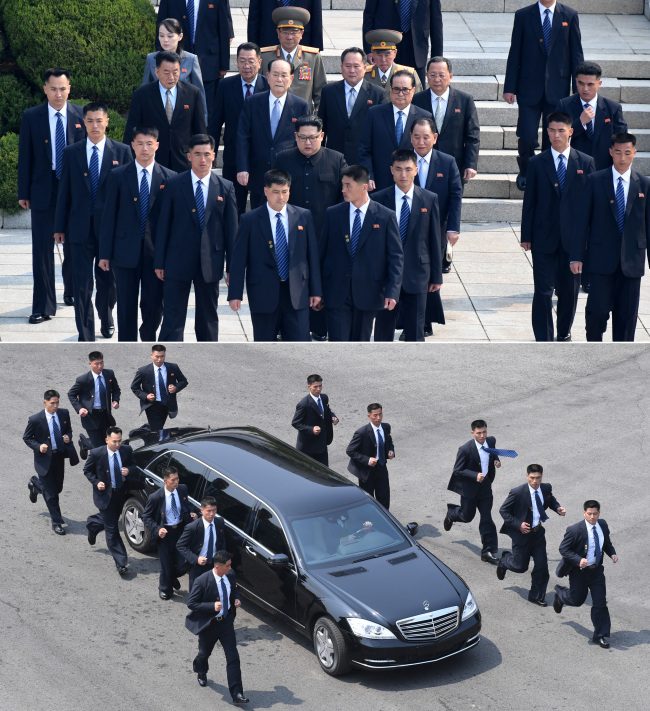
Kim Jong Un represents a completely different category.
Unlike billionaires and celebrities who purchase private security, the North Korean leader's protection is deeply integrated into the state security apparatus.
One of the most recognizable images of his security appeared during his 2018 meeting with South Korean President Moon Jae-in.
Twelve bodyguards were seen running alongside his limousine, forming a moving protective perimeter. Reuters footage documented the unusual arrangement.
Reporting has also described multiple layers of security surrounding the North Korean leadership.
The transcript describes additional reported measures including controlled food preparation and highly restricted access around the leader.
But claims about the exact size and cost of Kim's personal security should be treated cautiously.
Unlike publicly traded companies, the North Korean government does not publish a transparent personal-security budget that allows outsiders to calculate a reliable annual figure.
So in this case, the scale is much easier to observe than the cost.
1. Vladimir Putin — Protection on a Completely Different Scale
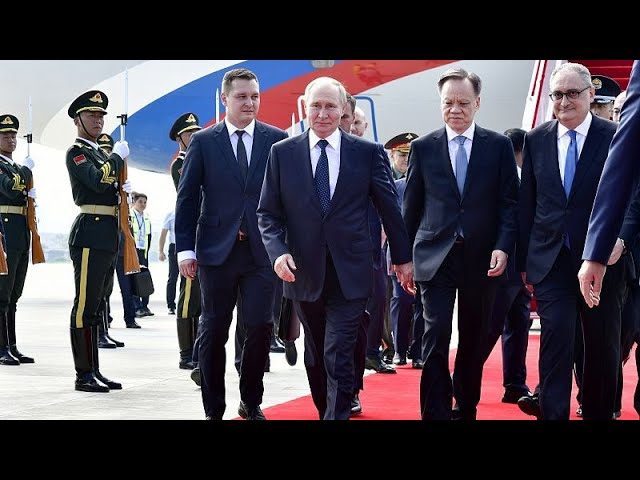
Vladimir Putin's security arrangements illustrate perhaps the clearest distinction between private executive protection and state protection.
A billionaire can hire a private security company.
A head of state can have an entire state apparatus dedicated to protection.
The transcript describes multiple vehicles, controlled movements, security personnel, medical support, communications and other infrastructure surrounding Putin. It also cites an estimated annual security figure of around $2 billion, but importantly, the narrator himself warns that this number cannot be independently verified.
That caveat is essential.
There is no reliable public evidence allowing us to state that Putin's personal protection actually costs $2 billion per year.
What can be established more generally is that Russia has a dedicated Federal Protective Service responsible for protecting senior state officials, and Putin's movements involve extensive state security arrangements.
Because these resources are embedded within the state apparatus, it is impossible to compare Putin's protection budget directly with something like Meta's $27 million disclosed executive-security costs.
They are fundamentally different systems.
What These 10 Security Operations Have in Common
Looking across these cases, something becomes clear.
The richest people don't necessarily have the biggest security teams.
And the biggest security teams don't necessarily have the biggest budgets.
There are several different models.
The celebrity model
Taylor Swift, Drake and Kim Kardashian face enormous public visibility.
Their security must manage:
fans + paparazzi + venues + travel + residences + threats.
The billionaire model
Bezos, Musk and Zuckerberg face another problem.
Their protection can involve:
executive security + intelligence + cyber threats + residences + travel + aircraft + corporate risk.
The athlete model
Michael Jordan demonstrates how long-term personal security can become deeply integrated into an athlete's lifestyle.
The state-security model
Kim Jong Un and Vladimir Putin operate in a completely different environment.
Their protection isn't simply something they purchase.
It is connected to state institutions, intelligence structures and government resources.
The Most Important Lesson
Perhaps the most surprising thing about elite security is that the visible bodyguard is only the smallest part of the system.
The real protection can begin hours or days before the protected person arrives.
A venue may be inspected.
A route may be analyzed.
A hotel may be checked.
Vehicles may be positioned.
Personnel may be assigned.
Threat intelligence may be reviewed.
Emergency exits may be identified.
And sometimes, the person being protected doesn't even know how much preparation happened behind the scenes.
That's why the most sophisticated security often looks almost invisible.
Final Thoughts
From a basketball superstar surrounded by trusted protectors to billionaires with multimillion-dollar corporate security programs, and from global pop stars requiring major police coordination to heads of state protected by entire government systems, personal security becomes increasingly complex as visibility increases.
The numbers can be fascinating.
But the real story is not the money.
It's the infrastructure behind it.
At the highest level, protection is no longer just about having a bodyguard.
It's about building an entire system designed to make sure that one person can continue moving through the world.
Sources & verification note
This article was built from this youtube video, which supplied the narrative structure and many of the cases discussed.
Where specific figures or events were important, I cross-checked them against public corporate filings and established reporting. For example, Amazon's 2025 proxy reports approximately $1.6 million in 2024 security-related costs for Jeff Bezos, while Meta reported $27.22 million in 2024 compensation-related costs for Mark Zuckerberg that included security and associated items. Tesla's filings report substantially smaller disclosed security-service amounts for Elon Musk than the figure stated in the original transcript.
For public figures whose security is provided by governments, such as Kim Jong Un and Vladimir Putin, reliable public cost figures are much harder to establish. Those figures should therefore not be presented as confirmed facts.